
Most people save their best thinking about clothing for the moments that feel important — a job interview, a first date, a wedding. The everyday stuff, the Tuesday morning school run or the slow Saturday at home, gets almost no thought at all. Chuck on whatever’s clean, get out the door. That’s the general approach for most of us, and honestly it’s hard to argue with the logic when you’re half-asleep before 8am.
But there’s a growing conversation in psychology circles about how the clothes we wear during ordinary, unremarkable days actually shape our mood, our confidence, and even our decision-making in ways we don’t fully register. Not in a profound, life-altering sense necessarily. More in a subtle, background sort of way, adding up over time.
The gap between “dressed” and “just wearing clothes”
There’s a difference, and most people can feel it even if they can’t explain it. Spending the whole day jogging from yesterday feels different to putting on actual clothes, even if you’re going nowhere special. It’s not about dressing up, or trying to impress anyone, but getting dressed properly signals something to your own brain — the day has started, that you’re a person participating in it rather than observing from the sofa.
Researchers call this “enclothed cognition,” which is a fairly grand term for something most people have experienced without realising they’ve named it. The basic idea is that clothes carry symbolic meaning, and when you wear them, some of that meaning transfers to how you think and feel.
That doesn’t mean everyone needs to be wearing tailoring by 9am. But it does suggest that the choice between pyjamas and, say, a comfortable pair of trousers and a decent top isn’t entirely trivial.
Read: 10 Ways to Make Lifestyle Modifications Smooth
Comfort and confidence aren’t opposites
One of the sillier myths in fashion is that looking put-together means being uncomfortable, and that real comfort means giving up on the idea of looking presentable. This probably comes from years of fashion advice built around the idea that appearance is something you suffer for. Tight shoes, scratchy fabrics, waistbands that dig in — all considered reasonable trade-offs for looking a certain way.
The reality for most people’s actual daily lives is that this trade-off is completely unnecessary. Clothes designed for genuine everyday wear have moved well beyond the old distinction between “smart” and “comfortable.” There’s a lot of good writing about dressing for everyday life and the psychology behind it that explores exactly this — how the right everyday clothing does a quiet but real job of supporting how you feel through an ordinary day, without demanding anything uncomfortable from you in return.
For older adults especially, this is worth taking seriously. The conversation around clothing and ageing tends to focus almost entirely on practicality — easy fastenings, non-slip soles, that sort of thing — which matters, obviously. But it sometimes skips past the psychological side of feeling like yourself, looking like a person who made a choice about their appearance that morning. That distinction has genuine value.
Small choices, real effects
Nobody’s saying your choice of cardigan is going to rewrite your entire mental state. That would be overselling it. But the accumulated effect of consistently treating your daily appearance as worth some small amount of attention is probably more significant than most people give it credit for.
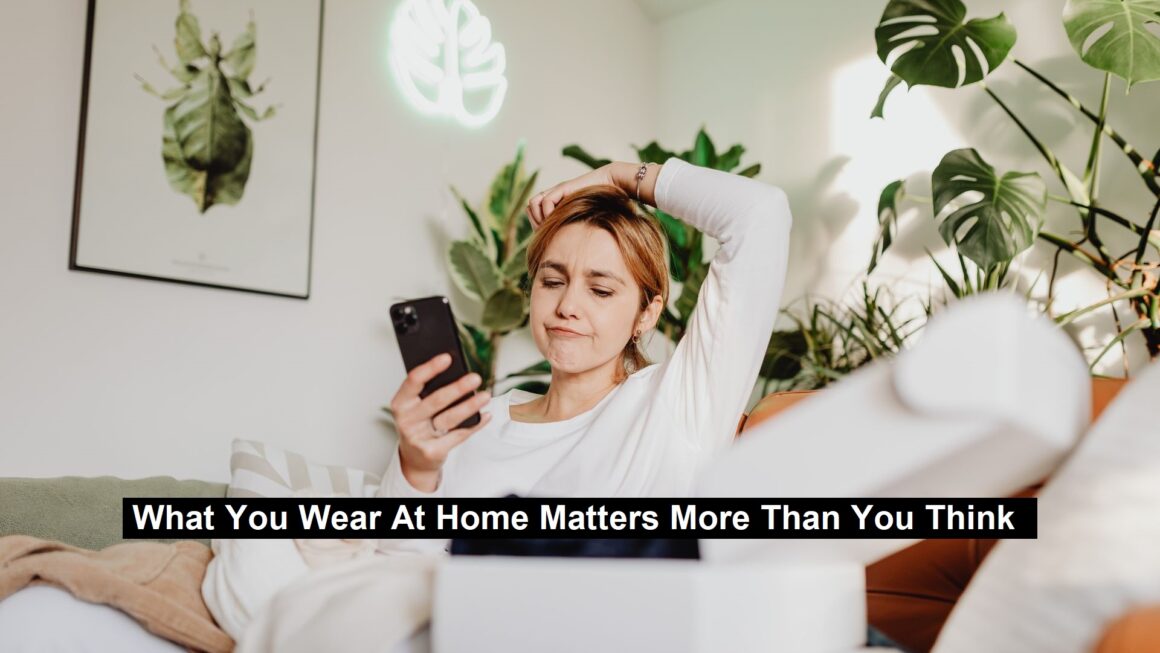
Getting dressed in something you actually feel okay in — not dressed up, not uncomfortable, just decent — sets a slightly different tone for the day. It signals intention; a lot of people who worked from home during the pandemic discovered that staying in PJs all day affected how productive and engaged they felt.
You don’t need to spend a lot, overhaul your wardrobe, or even really care about fashion. It just asks for a small, deliberate choice each morning. Which, on most days, is actually quite manageable.